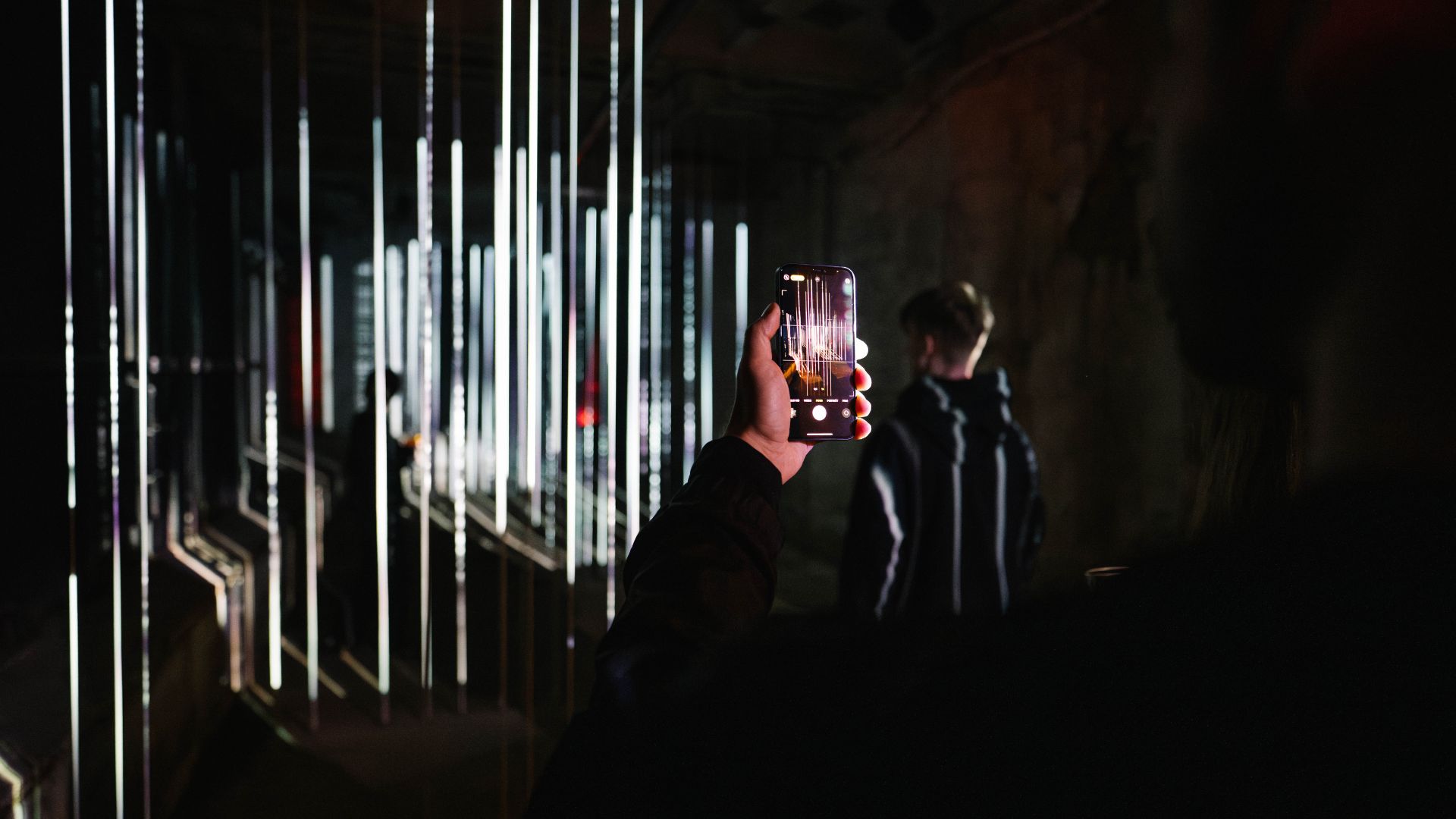
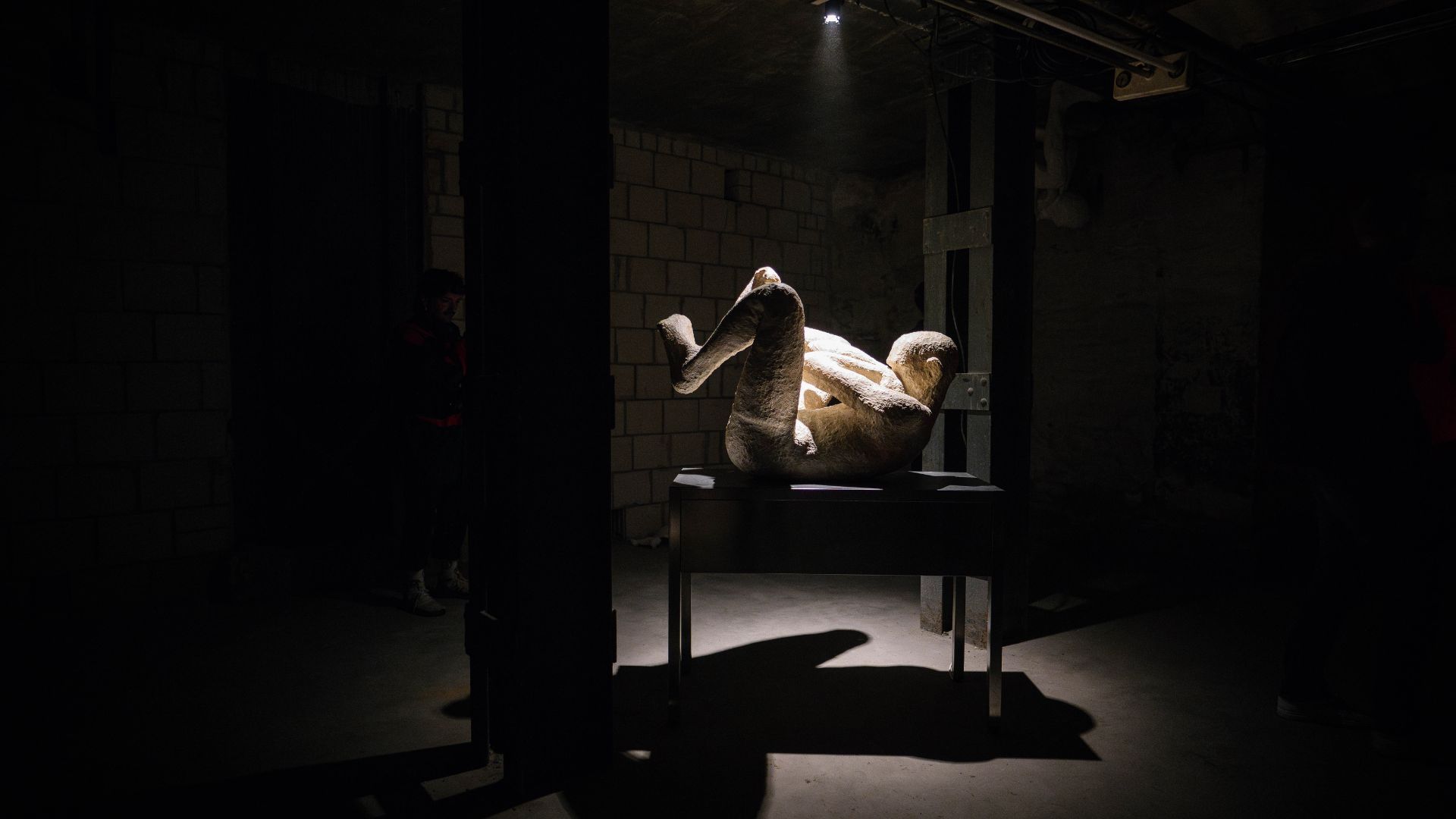
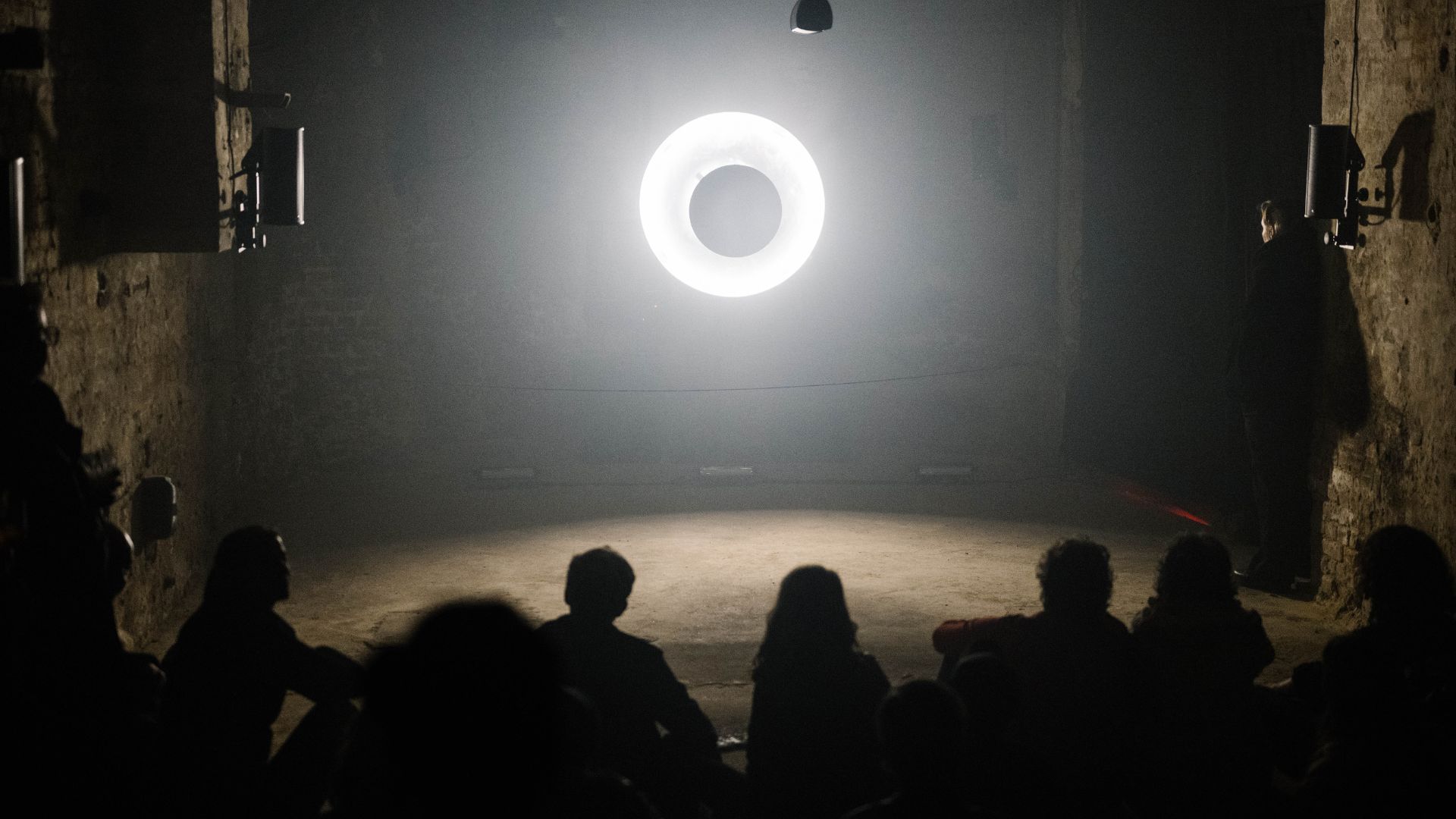
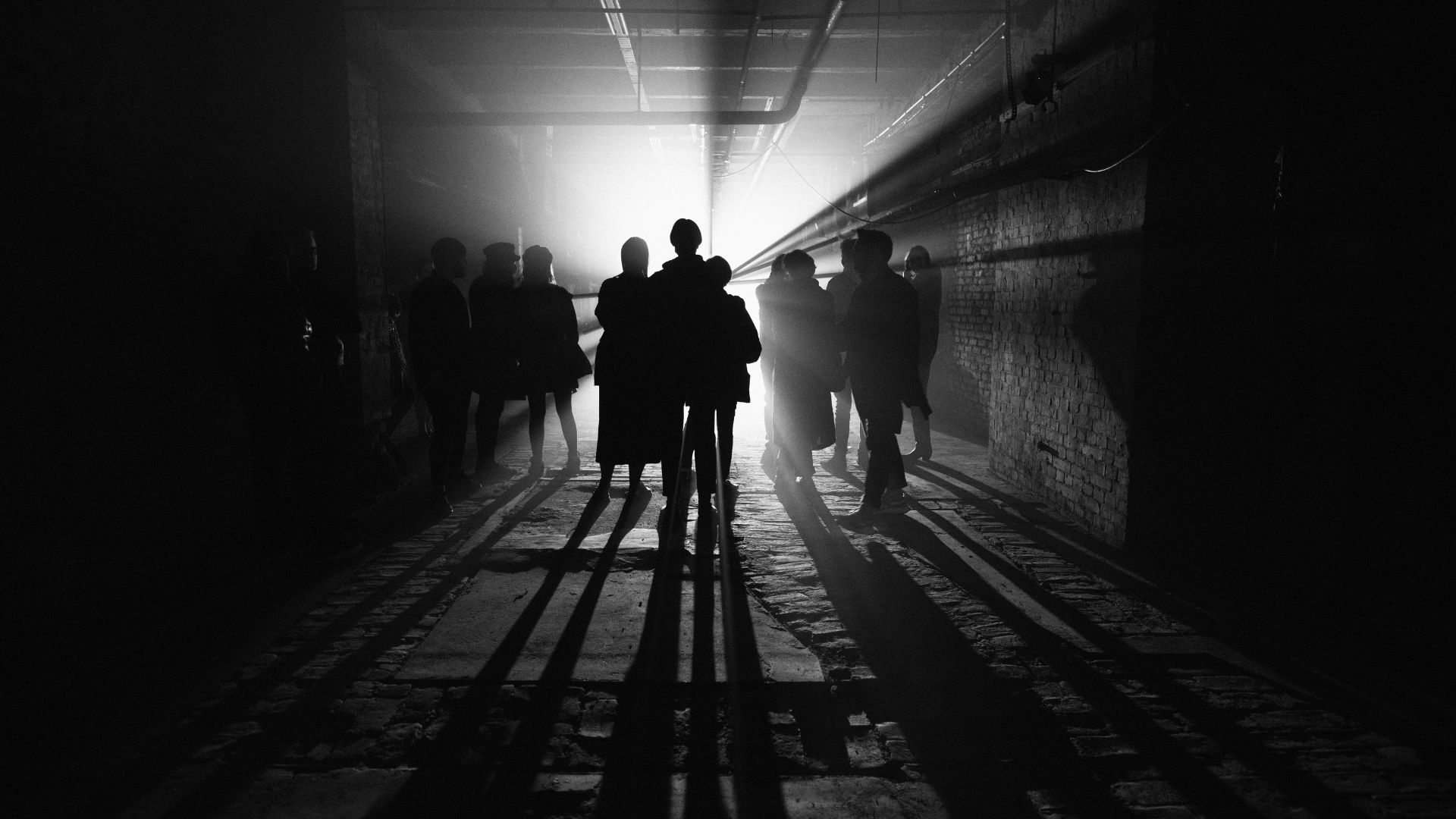
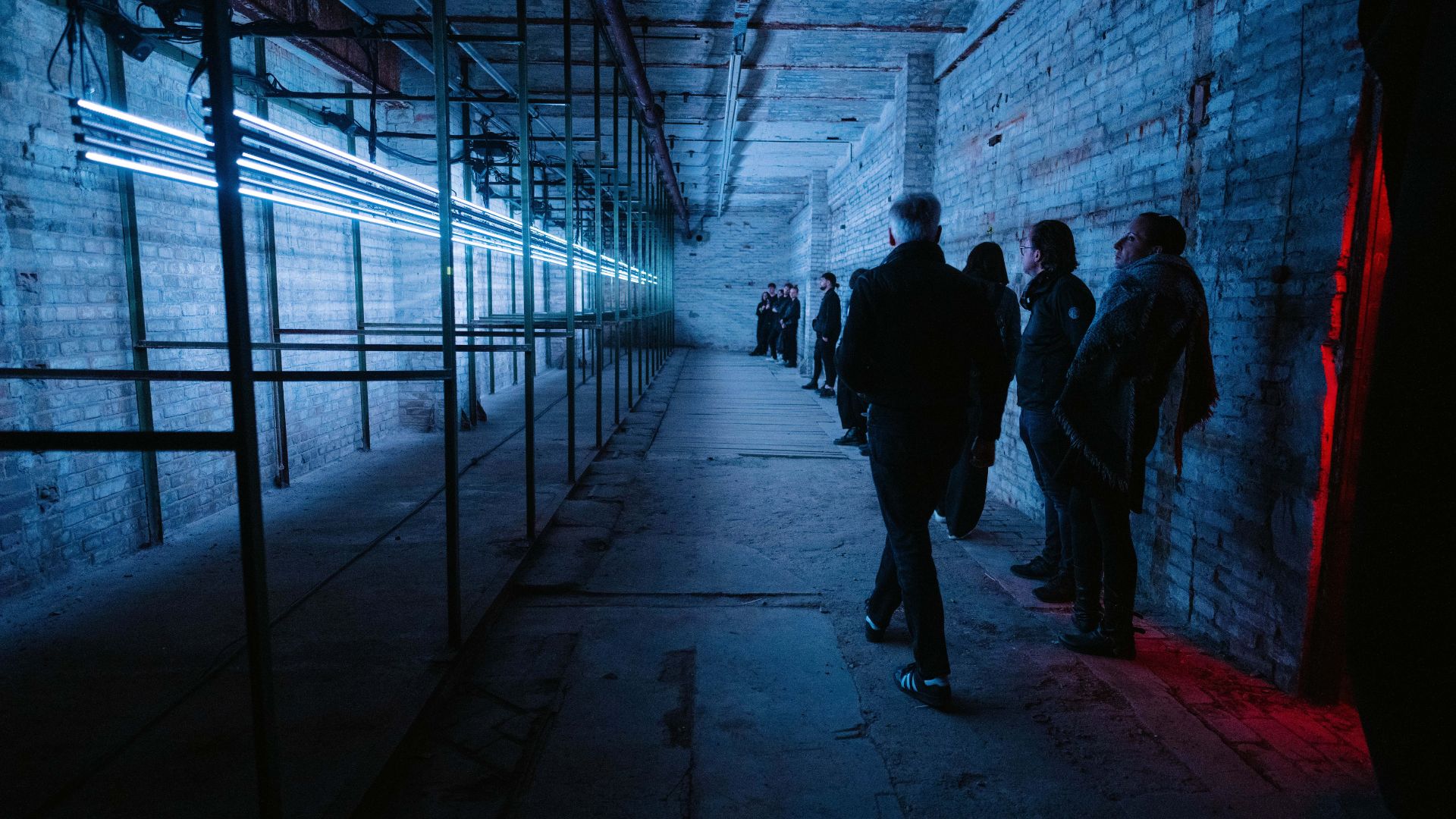
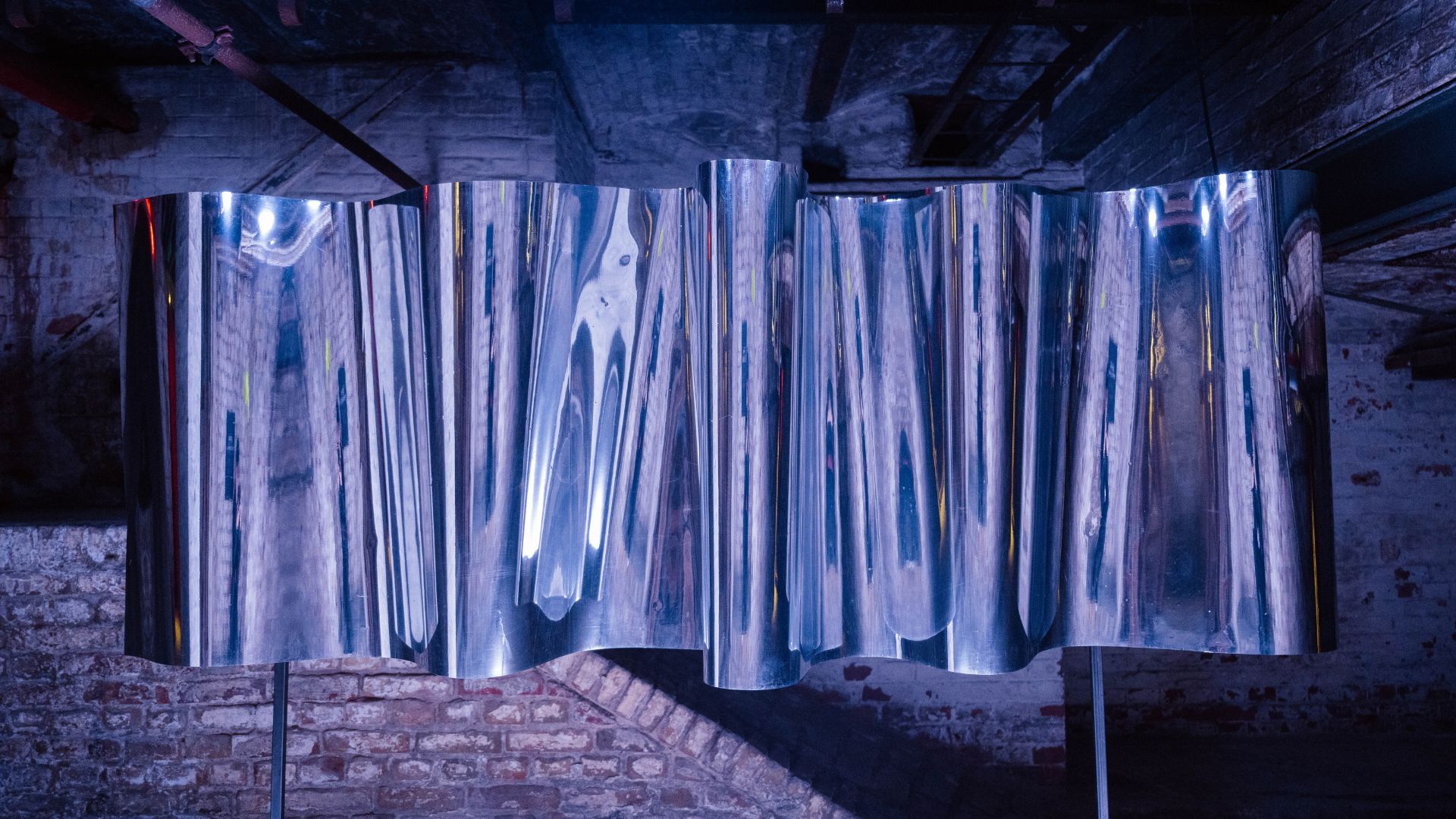
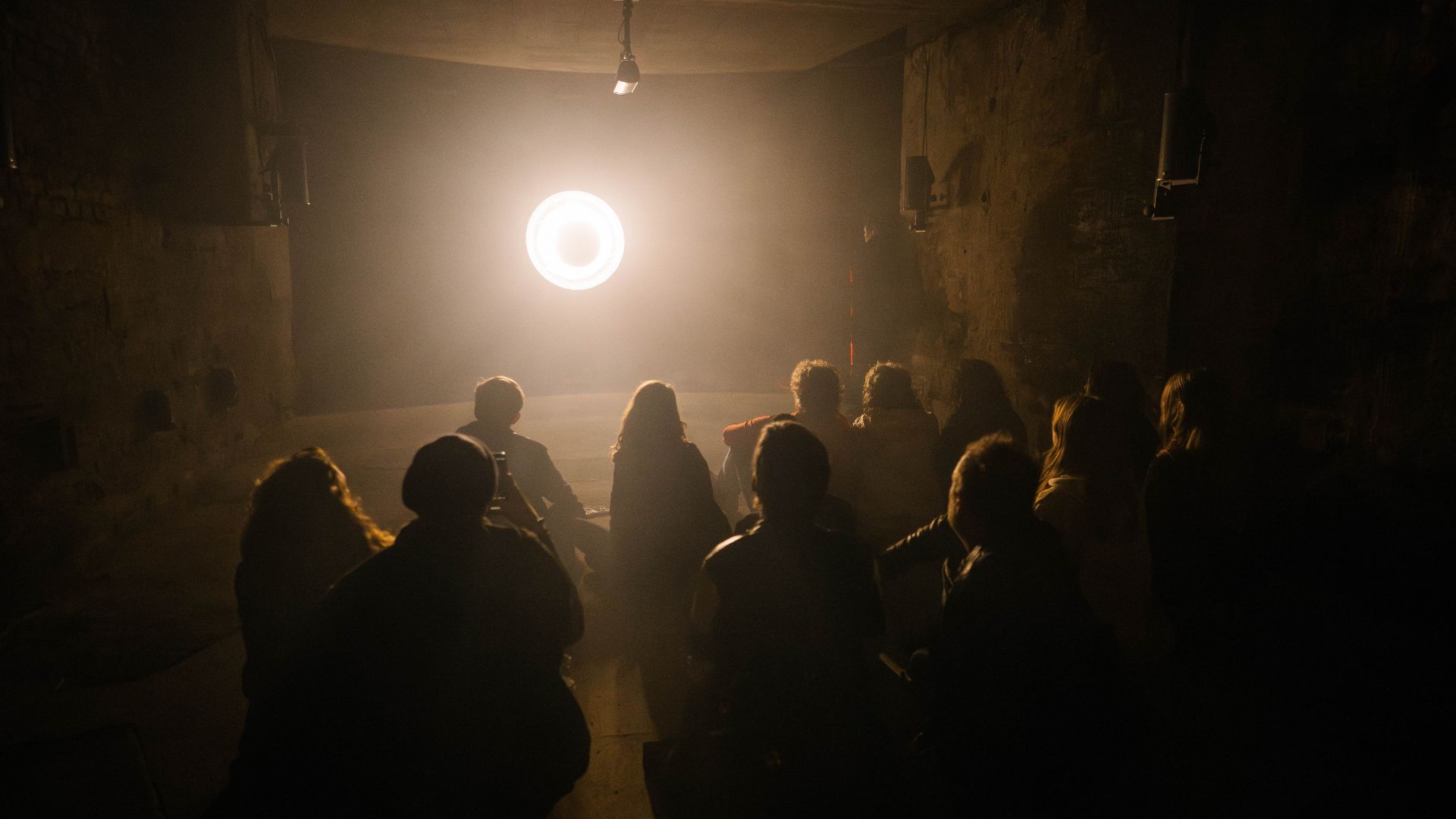
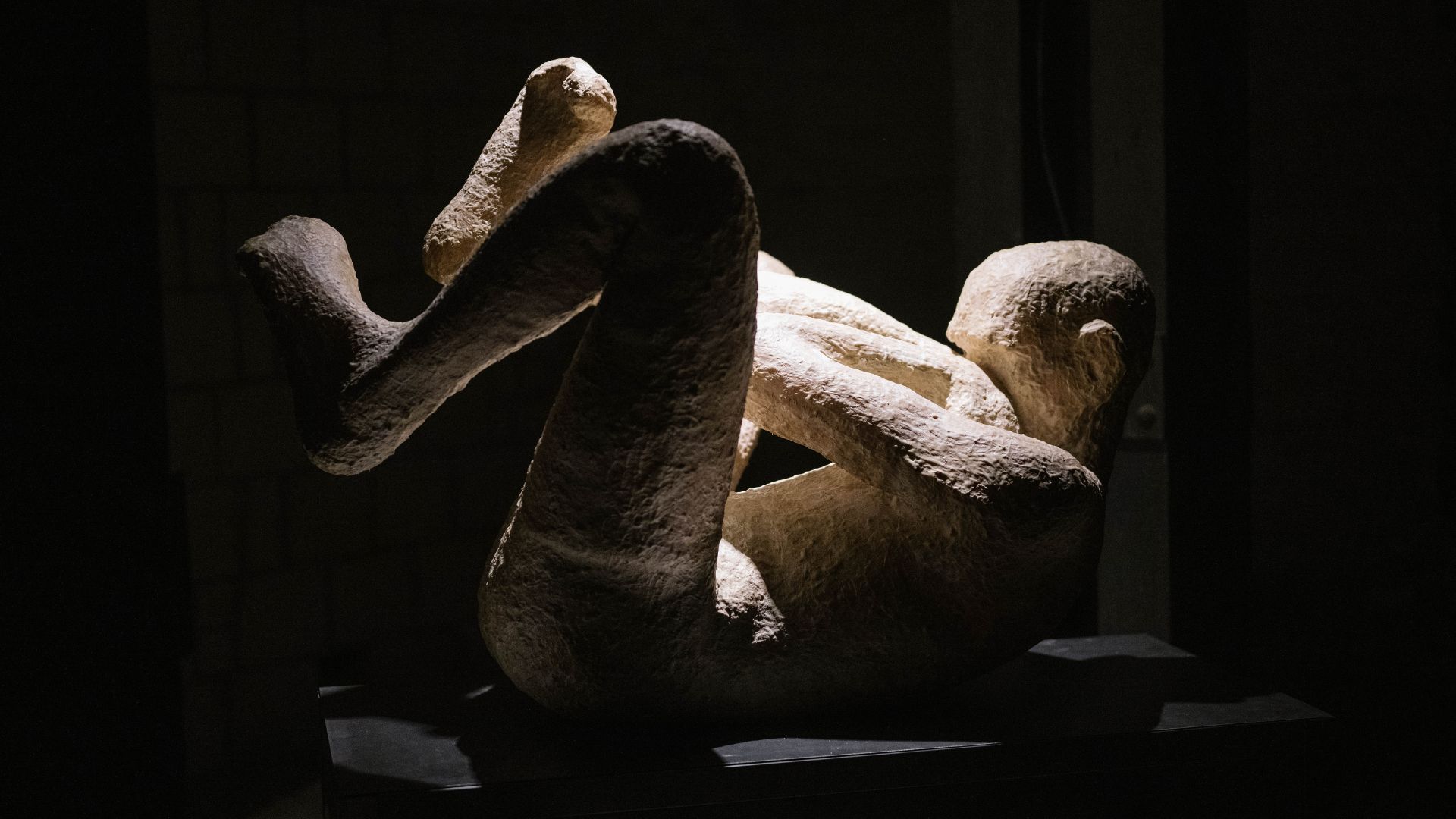
The spaces were raw, cold, and improvised. A charm of the imperfect: dark vaults, cramped bunkers, exposed fuse boxes, and an unusual mix of art and music.
Guests came through word-of-mouth and mailing lists. Access codes changed, and addresses were only announced at the last minute. It was about atmosphere, art, and connection.
DJs played without anyone ever saying “line-up.” It wasn’t a club. It wasn’t an exhibition, either.
It was that space in between where Berlin lived back then.
The underground event remained for insiders only. There was a reason for this: in 2002, the police cleared the exhibition, bringing that chapter in the bunker to an end.
„Police clear illegal discotheque“ (Tagesspiegel vom 04.10.2002)
The charm of the imperfect: dark vaults, cramped bunkers, exposed fuse boxes, an unusual mix of art and music.
Guests came through word-of-mouth and mailing lists. Access codes changed, and addresses were only announced at the last minute. It was about atmosphere, art, and connection. DJs played without anyone ever saying “line-up.” It wasn’t a club. It wasn’t an exhibition, either.
It was that in-between state where Berlin lived back then. The underground event remained for those in the know. There was a reason for this: in 2002, the police cleared the exhibition, bringing that chapter in the bunker to an end.
“Police clear illegal discotheque” (Tagesspiegel, Oct 4, 2002)
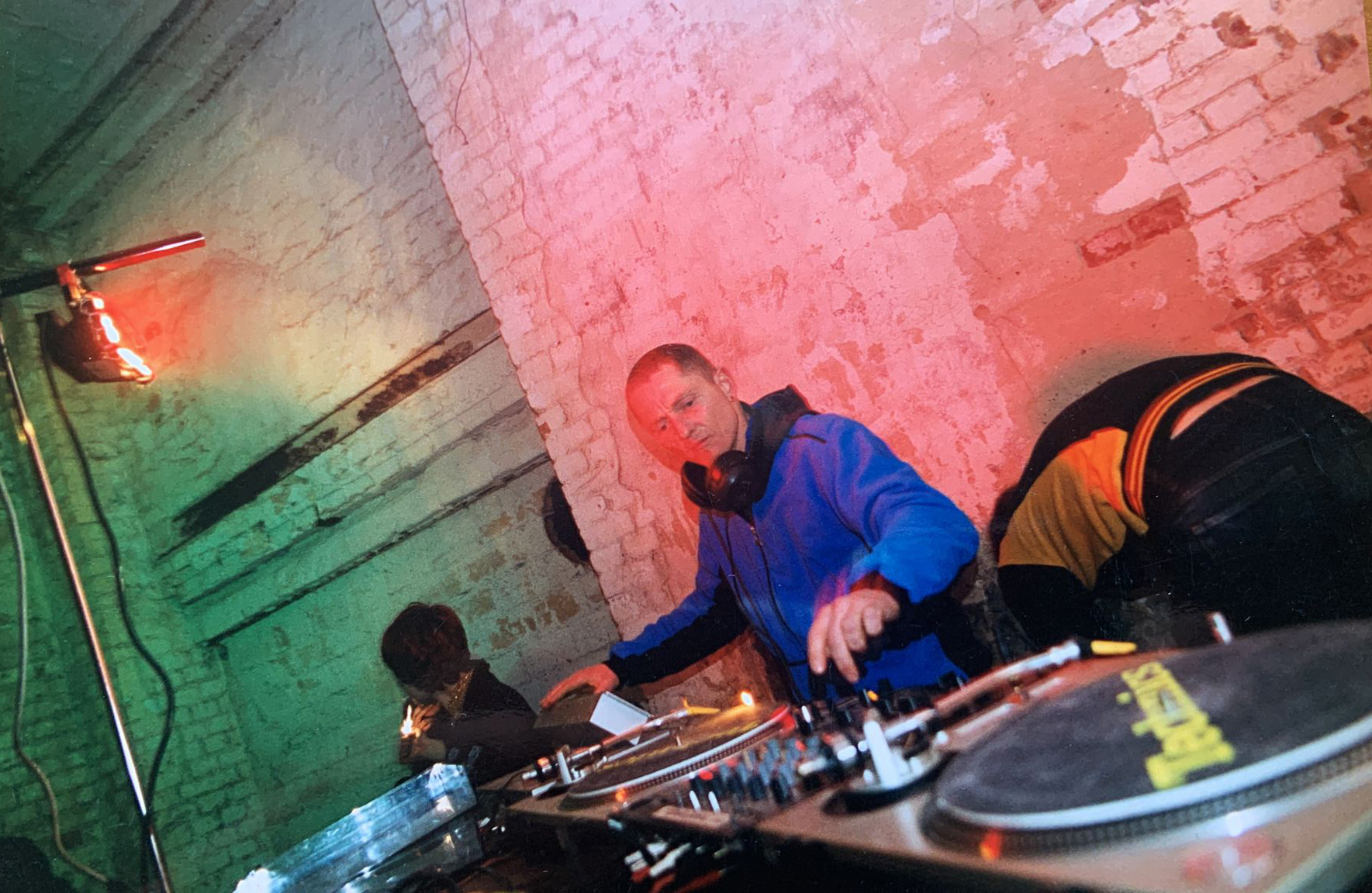
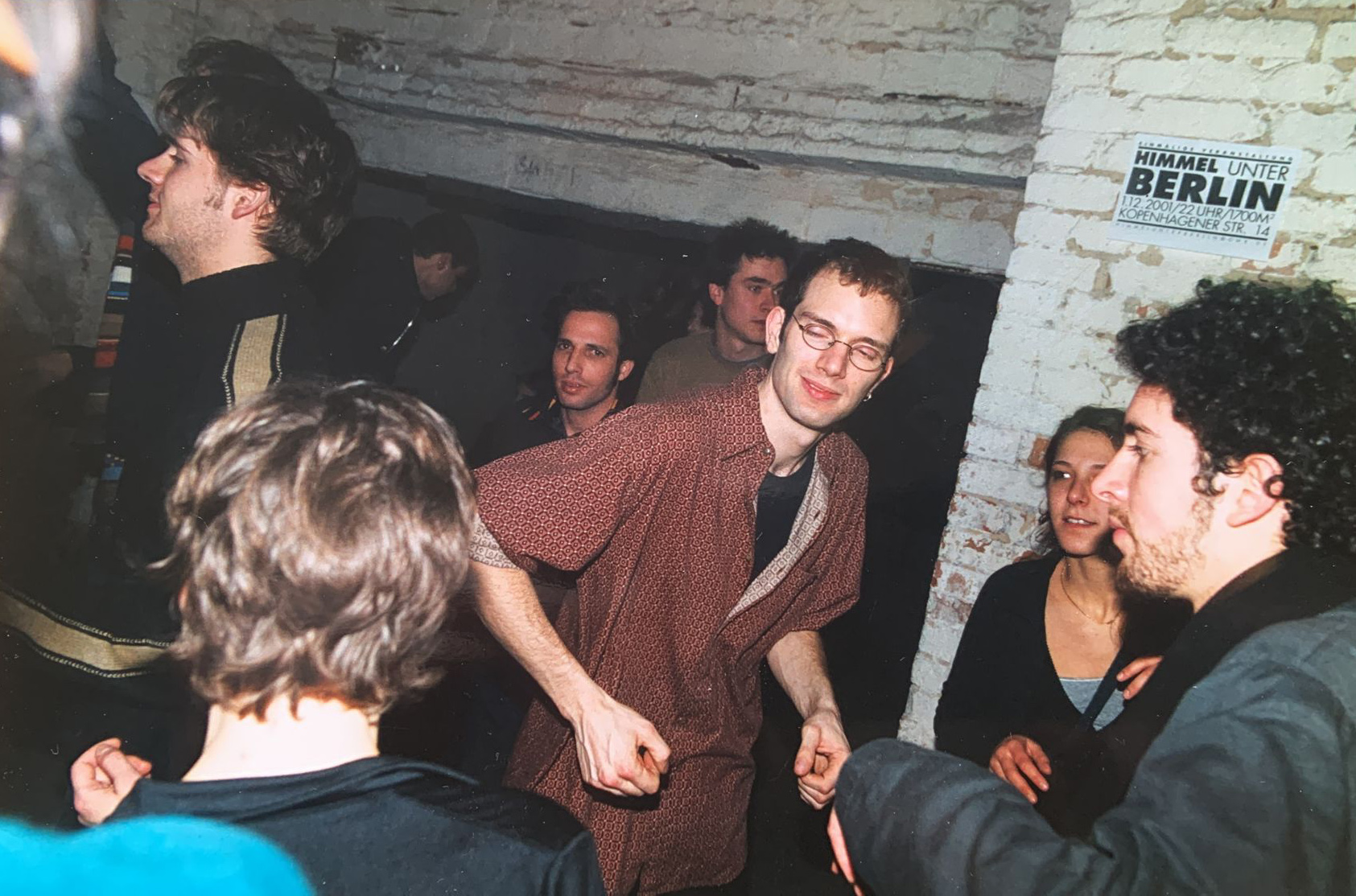
The creators of Himmel unter Berlin moved into the vacant Willner Brauerei to keep the cultural movement alive.
During those years, the Willner Brauerei was itself an important temporary cultural venue in Berlin—a former industrial site that offered space to artists, organizers, and collectives.
Here, in this decommissioned industrial complex, the people who had experienced “Himmel unter Berlin” back in the bunker worked side by side with a new generation. A group of artists who felt the same longing while living in a city that was increasingly fracturing between tech start-ups and luxury apartments.
In 2017, the Willner Brauerei was also sold, and another Berlin cultural space faced extinction.
When the investors’ bulldozer messages arrived, there was a moment when the new artistic team asked the original initiators of “Himmel unter Berlin” if they could revive the old format one more time.
The answer was: Yes.
The concept was carried forward.
But this time, without an address.
“Kinetic Ballet in Pankow” (Tagesspiegel, Dec 15, 2017)
The Himmel unter Berlin of today was intended to become a phantom in the city. An ever-changing program. No fixed location. No repeats.
Something that materializes like a thought. Only for a few days. And then it vanishes again.
It could be an old warehouse, a hidden industrial wasteland, or a tower whose walls breathe stories. A completely new location every time. In Berlin, where nothing stays empty for long, the emptiness itself becomes the stage.
In 2022, Himmel unter Berlin opened its doors once more: in underground spaces that are usually inaccessible.
You enter the underground through a closet door, with three hours of time and almost total darkness. The address remained a secret until the very end. The number of guests is limited – because space, time, and humanity take on a different density in these halls once there are too many people.
The Himmel unter Berlin of today was meant to become a phantom in the city. No program. No fixed location.
Something that materializes like a thought. Only for a few days. And then it vanishes again.
It could be an old warehouse, a hidden industrial wasteland, or a tower whose walls breathe stories. Every time, a completely new location. In Berlin, where nothing stays empty for long, the emptiness itself becomes the stage.
In 2022, Himmel unter Berlin opens its doors once again: in underground spaces that are normally inaccessible.
You enter the underground through a cupboard door, with three hours of time and almost total darkness. The address remained a secret until the very last moment. The number of guests is limited—because space, time, and humanity take on a different density in these halls as soon as there are too many people.
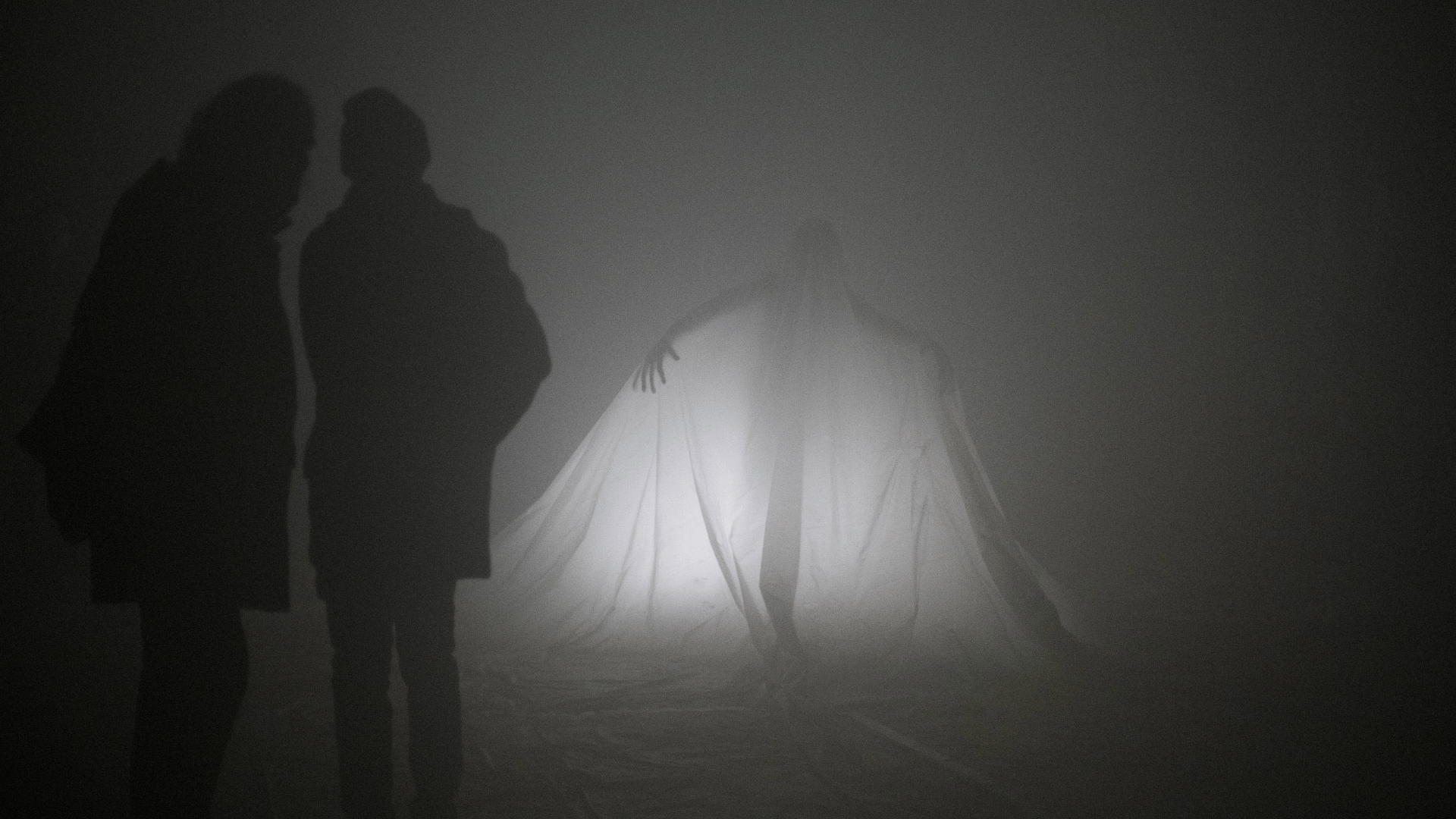
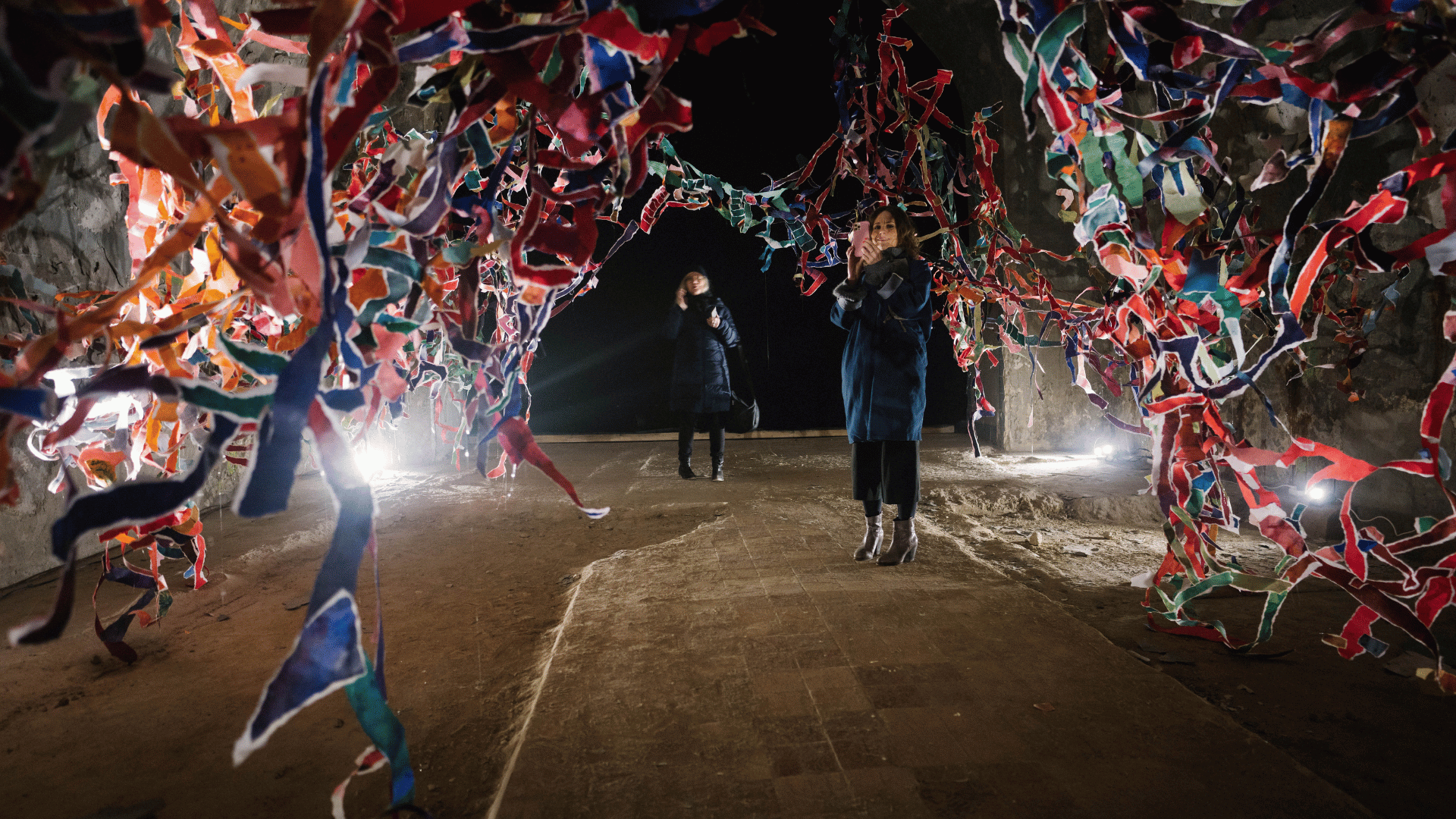
Spaces that had actually been forgotten. Light creeps through broken windows, sound fills halls where machines once stood. Light and performance engage with the existing architecture. The space itself becomes part of the work.
And then – everything disappears again.
“Himmel unter Berlin” began as an underground event in a bunker. It survived evictions, relocations, and urban change. Today, it is no longer a place, but a nomadic art format.
It appears.
It transforms spaces.
It vanishes.
In a city where every square meter now has a PowerPoint presentation, it serves as a reminder of what once defined Berlin when the city was still raw: not the permanent, but the fleeting, the unpredictable, the momentary.
Sometimes it’s enough for a light to burn for three days in a place where it should actually be dark.
And then, sometimes, it isn’t.
Spaces that were essentially already forgotten. Light creeps through broken windows, sound fills halls where machines once stood. Light and performance engage with the existing architecture. The space itself becomes part of the work. And then—everything vanishes again. “Himmel unter Berlin” began as an underground event in a bunker. It survived evictions, relocations, and urban change. Today, it is no longer a place, but a nomadic art format. It appears. It transforms spaces. It disappears. In a city where every square meter now has a PowerPoint presentation, it serves as a reminder of what once defined Berlin when the city was still raw: not the permanent, but the fleeting, the unpredictable, the momentary.
Sometimes it’s enough for a light to be left on for three days in a place that should actually be dark.
And then, sometimes, it isn’t.
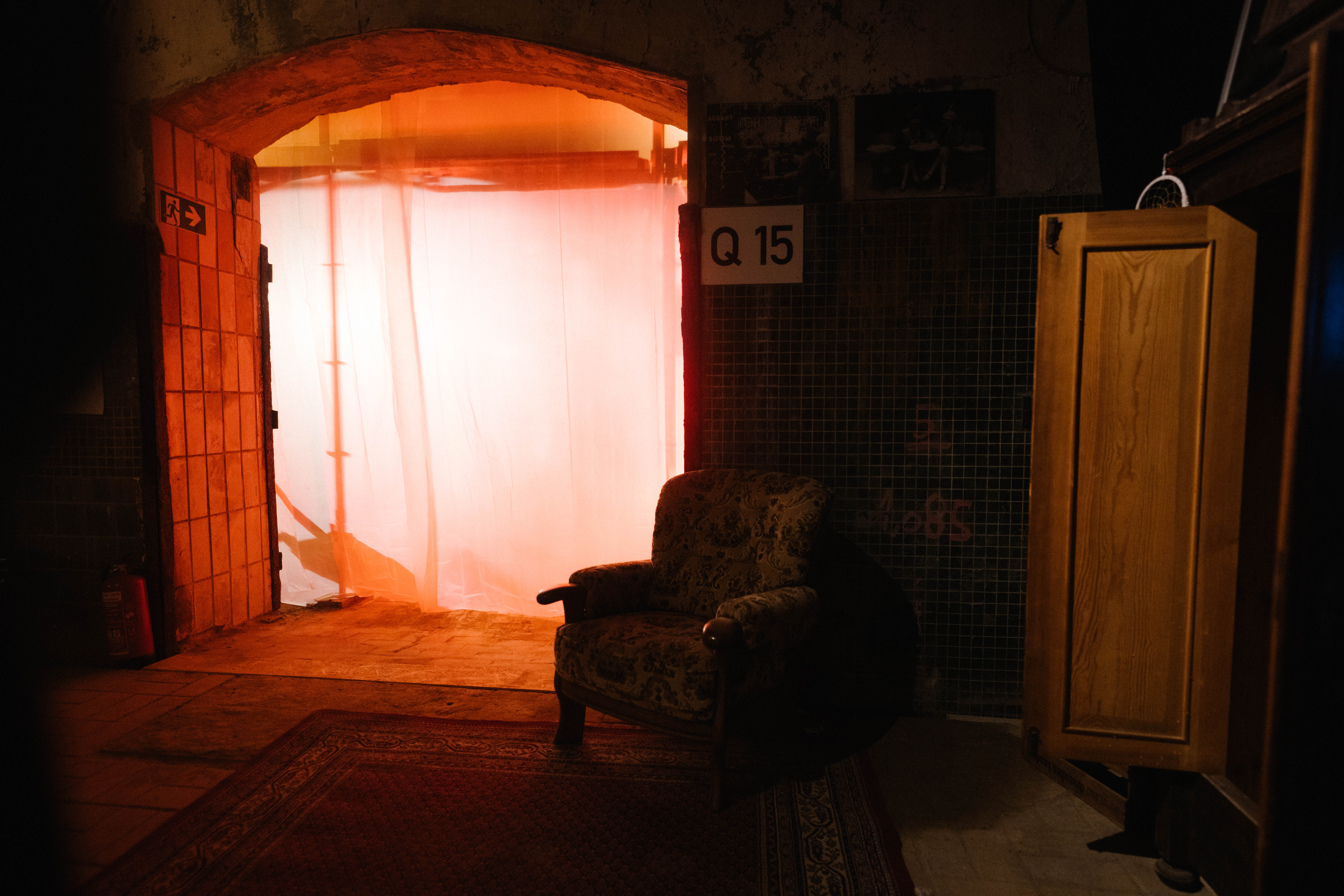

Boris Acket | Sven Sauer | Jeroen Cremers | Margareta Hesse | Leigh Sachwitz - flora fauna visions | Marco Barotti | Stefan Reiss | kling klang klong | Caro Cora | Julia Sosinka | Tom Kretschmer | Matthias Rodach


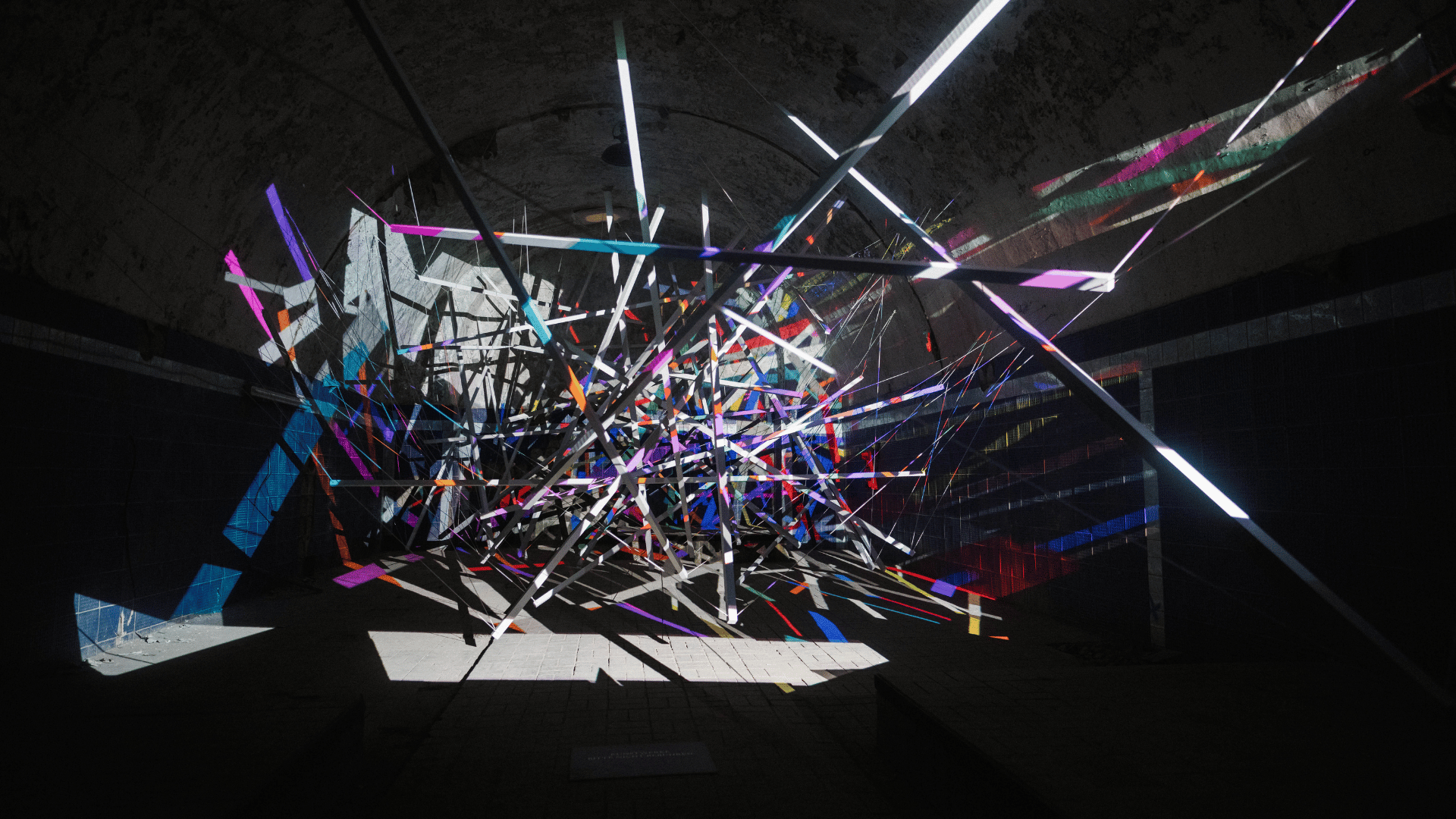
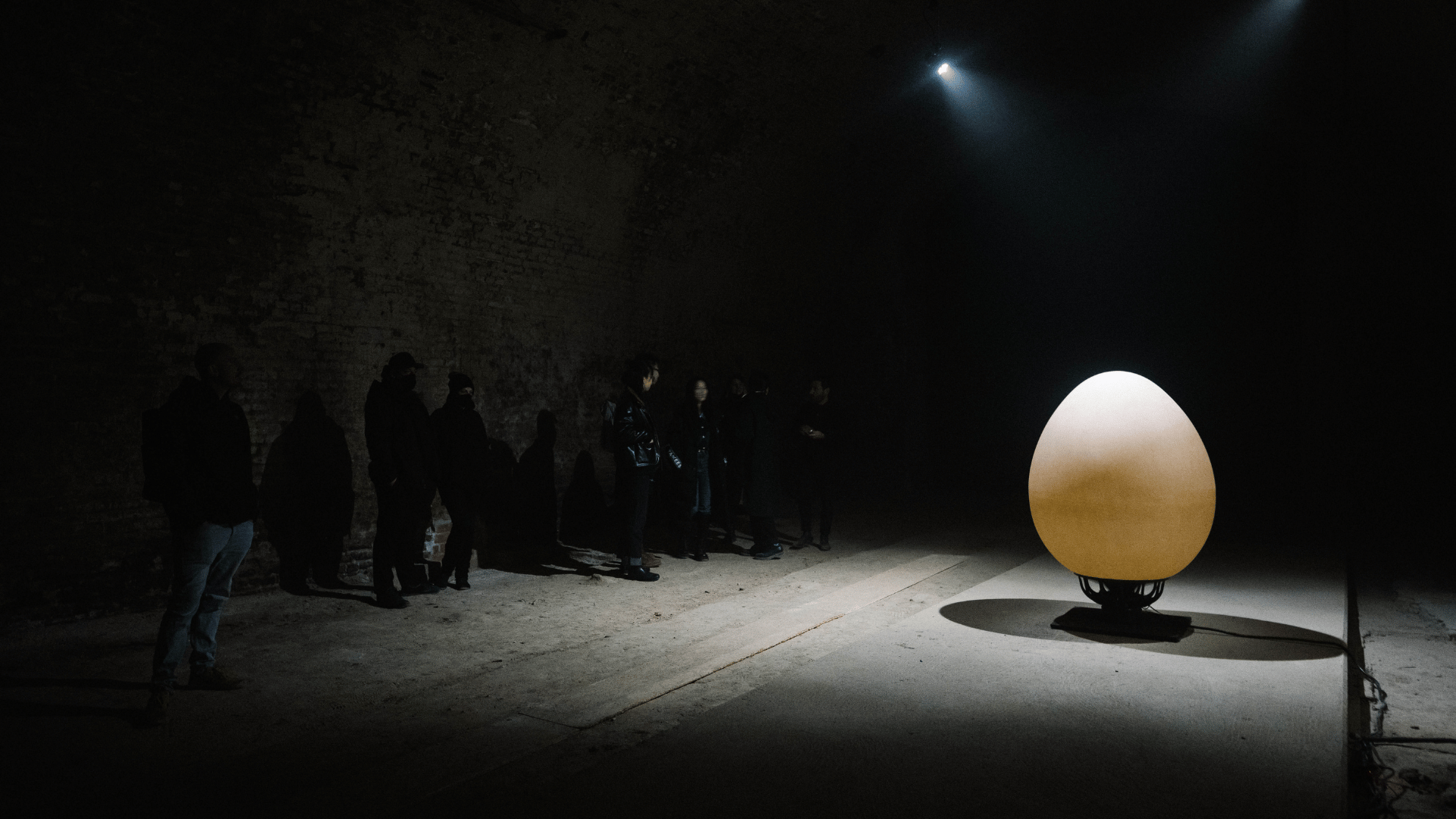
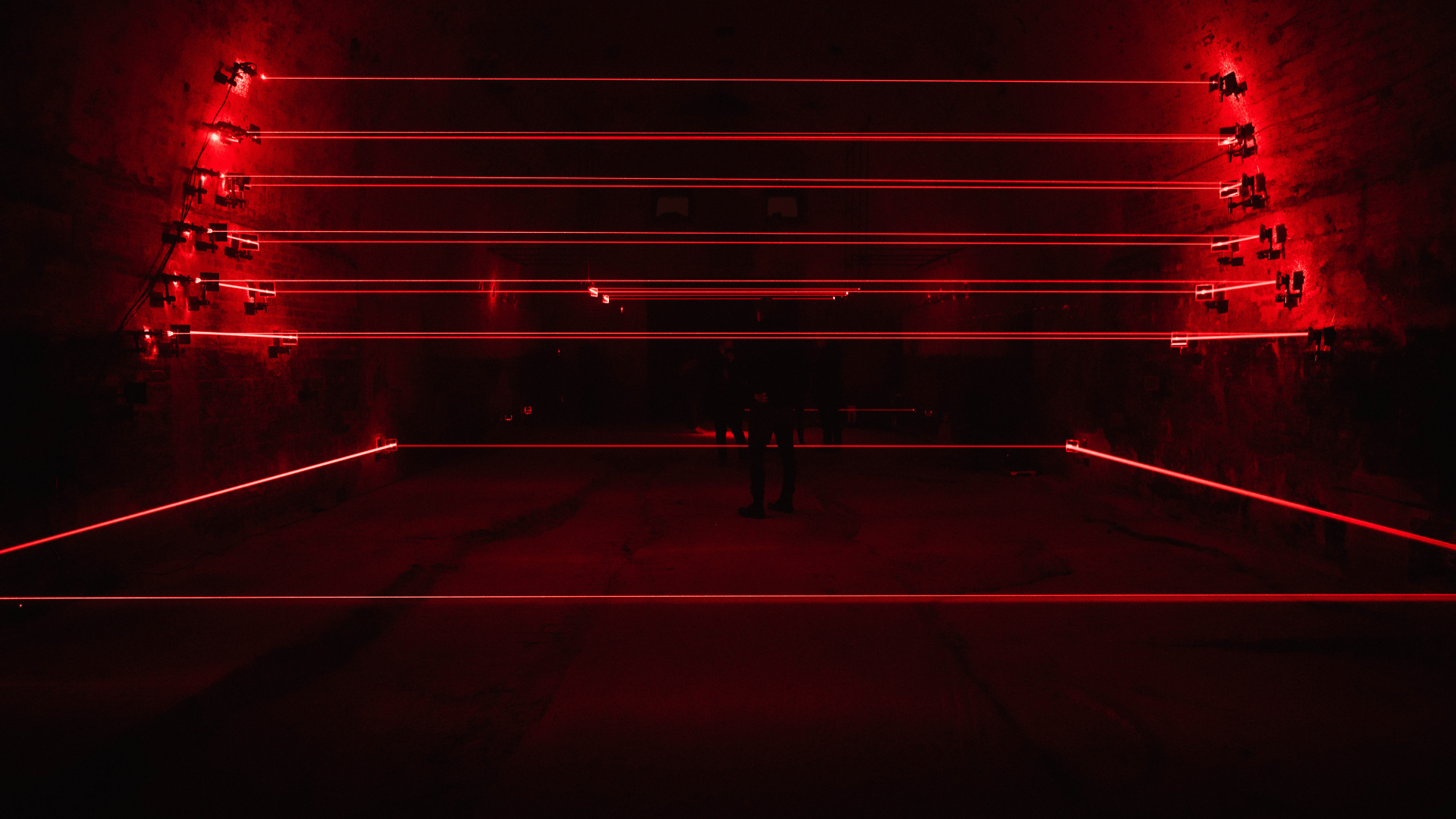
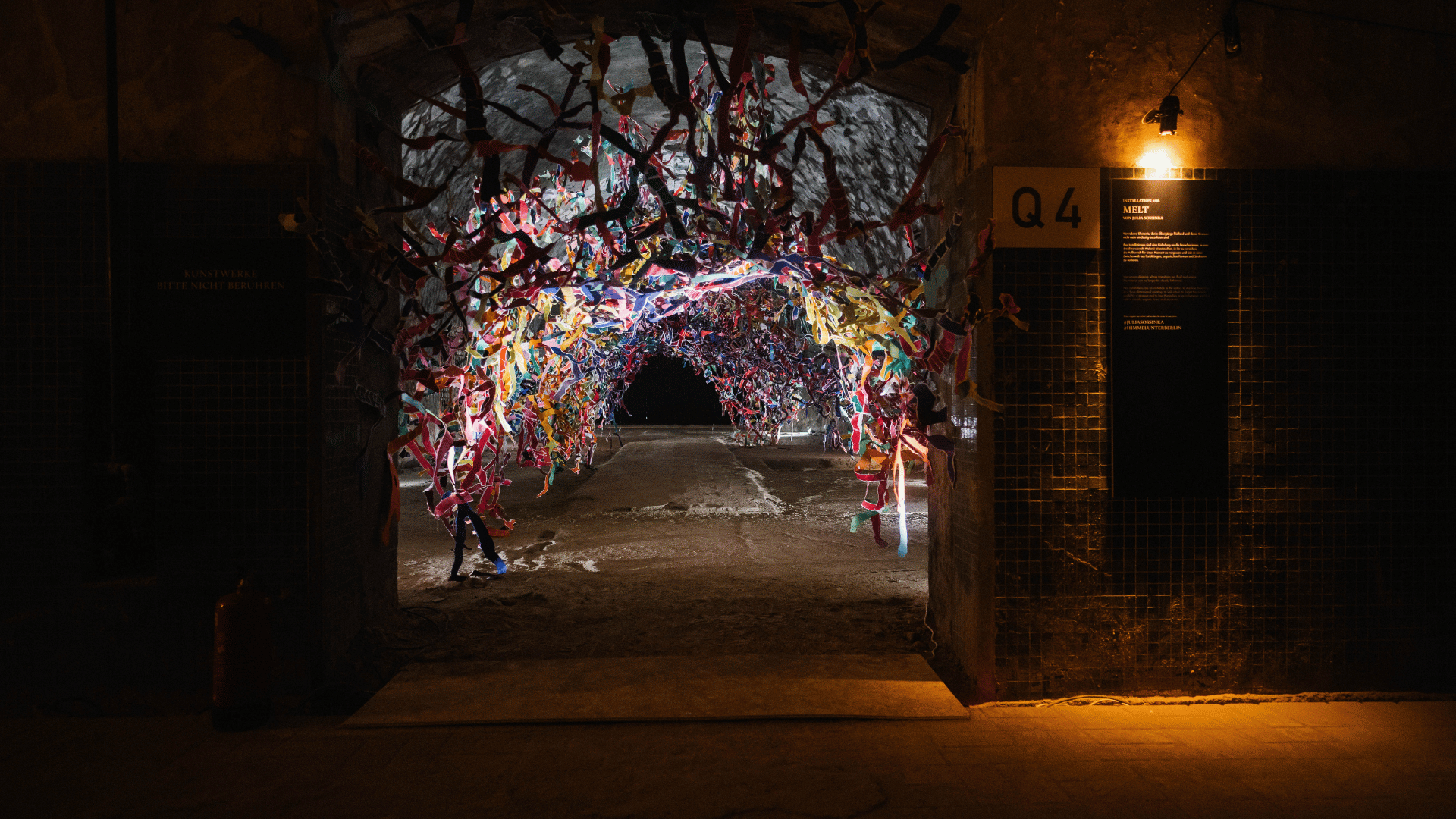


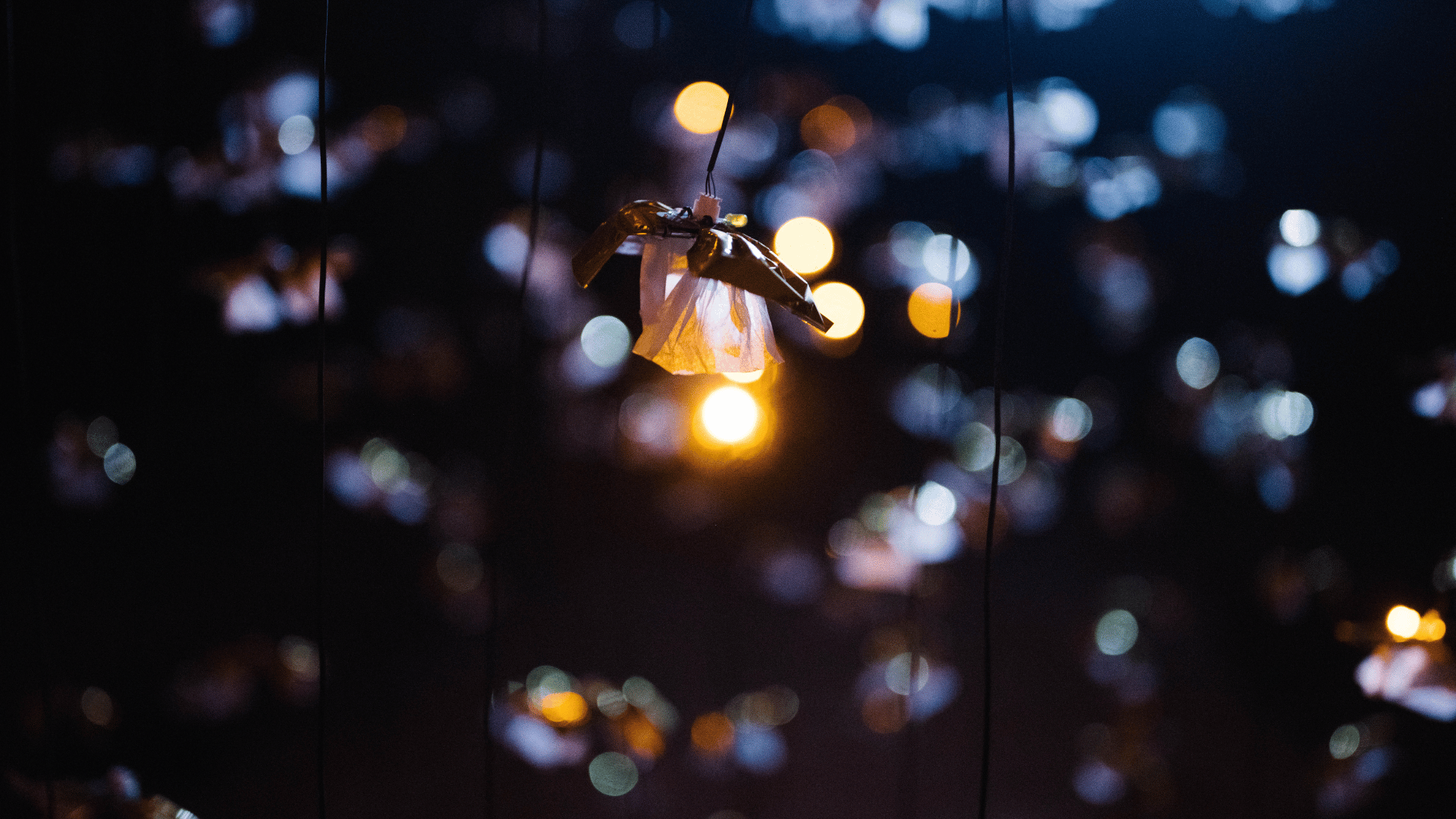







At the dawn of industrialization, the world's largest steam engines came from Berlin.
During this era, gigantic hall complexes were built throughout the city, larger than the current power plant on Köpenicker Straße.
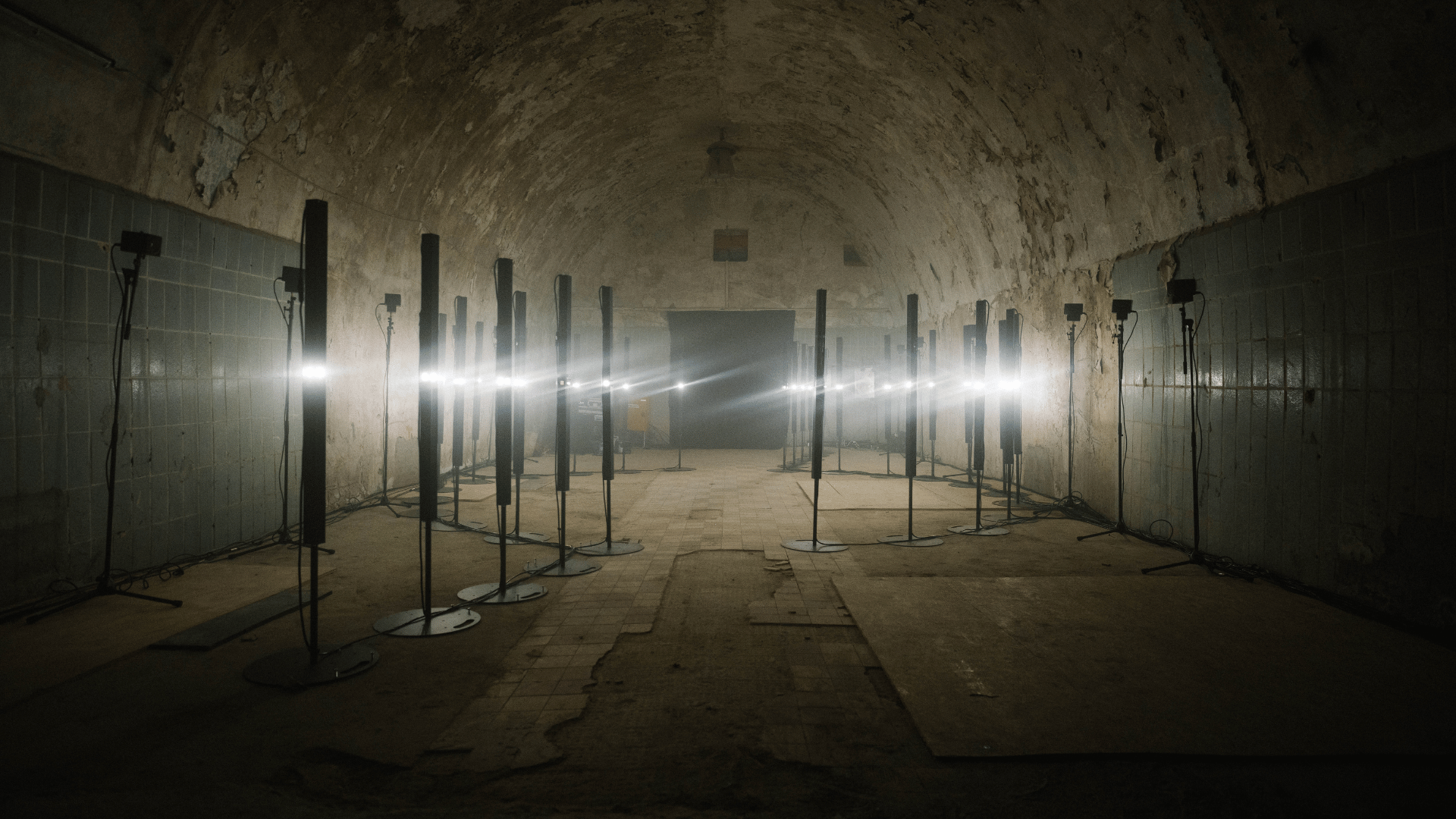
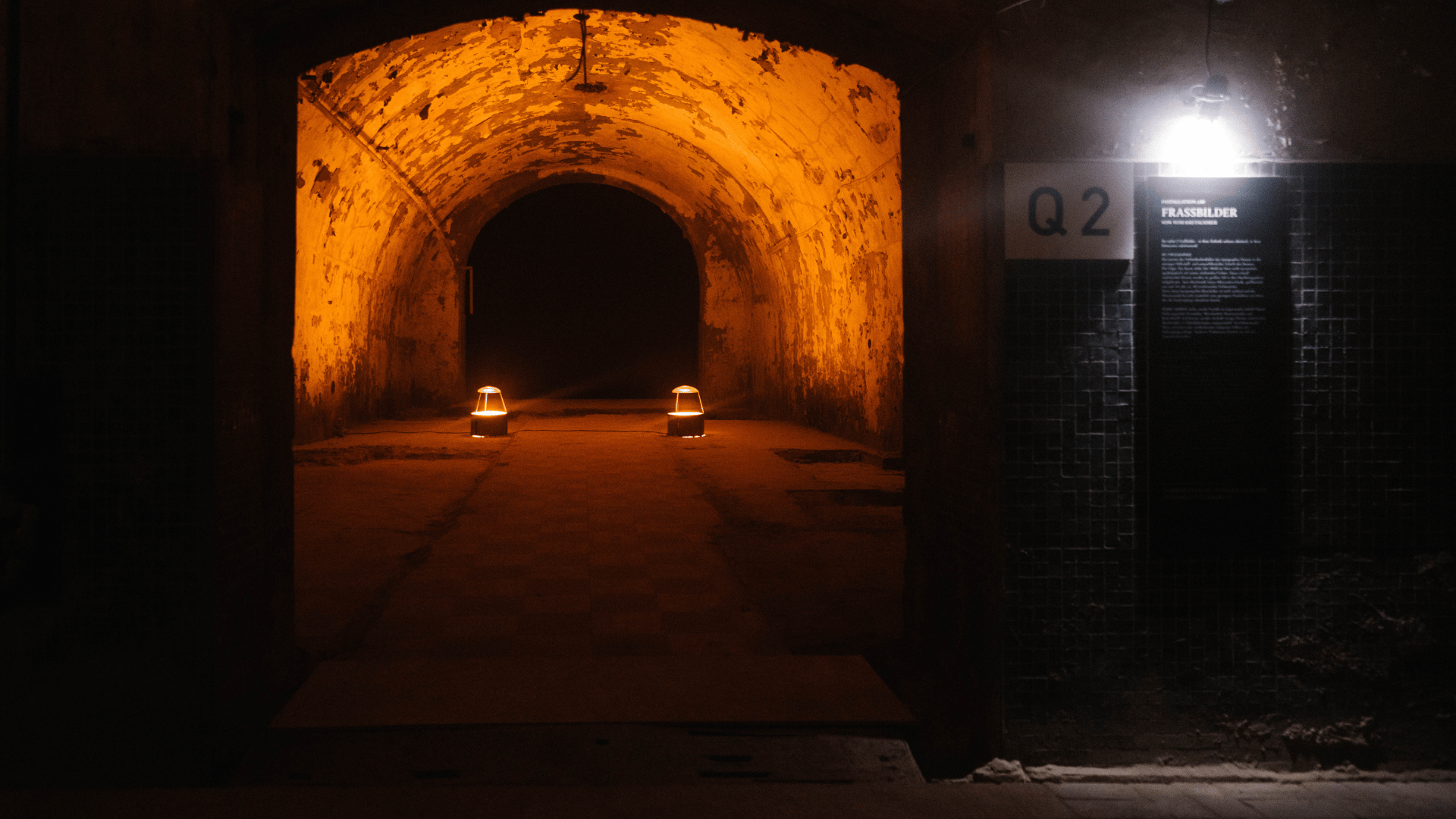
In the foundation of one of these halls, visitors to "Himmel unter Berlin" will immerse themselves. They will lose themselves in a dark reinforced concrete labyrinth the size of a football pitch.
The hall was originally a white-tiled showroom for the turbine manufacturer. A flagship store for the gigantic machines, each weighing 7 tons and over 15 meters long. Industrialists from all over the world came to this site to see these steel giants.
For the first time in over 100 years, these corridors are being opened to visitors. The exact location is secret and will be revealed to guests only 48 hours before their visit. For planning purposes: The location is slightly east within Berlin and is easily accessible by public transport.
Boris Acket | Sven Sauer | Lumus Instruments | Nils Völker | Alvaro Soler Arpa | Stefan Reiss | kling klang klong | Matthias Rodach | Ralf Schmerberg | Bianca Patricia | So Kanno | Else Marijn Bruys |